


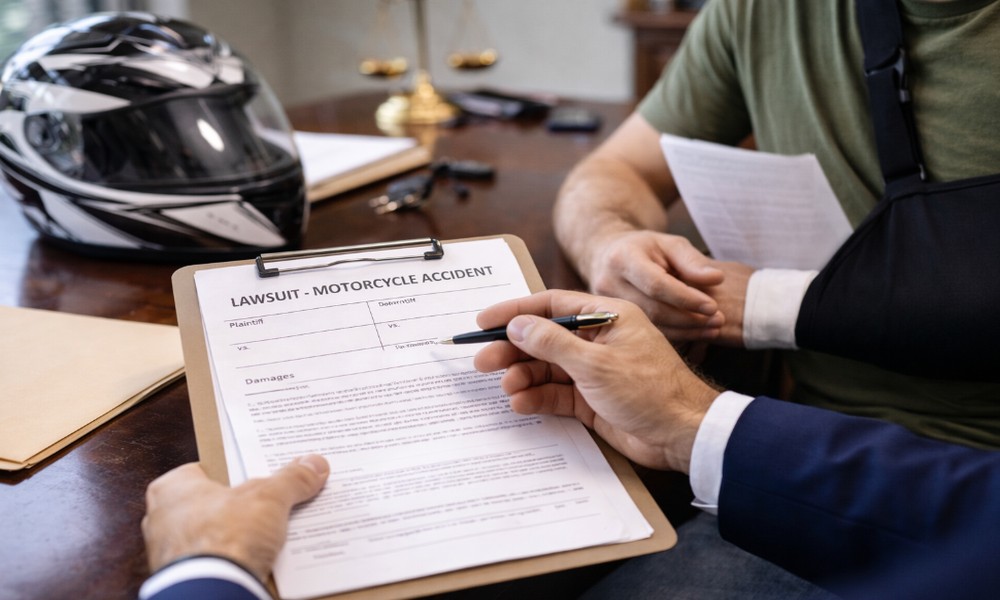
A motorcycle accident can leave a person dealing with a lot at once. There may be injuries, damage to the bike, missed time at work, and stress that seems to build every day. On top of that, many riders start wondering about their legal options. One common question is this: do you know how to sue for motorcycle accidents?
The short answer is yes, there is a legal process for filing a claim after a motorcycle crash, but it is not always simple. Every case is a little different. Still, there are a few basic steps that usually matter in most situations.
The first thing is figuring out who caused the accident. That sounds easy, but honestly, it is not always clear right away. In some crashes, another driver may have turned in front of the motorcycle, changed lanes without looking, followed too closely, or ignored a traffic signal. In other cases, the facts may be disputed. This is why evidence matters so much.
After a motorcycle accident, it is important to gather as much information as possible. That may include photos of the crash scene, damage to the motorcycle, visible injuries, contact details for witnesses, and a copy of the police report. Medical records are also a big part of the case. If a rider wants to sue, they will usually need to show not only that another person was at fault, but also that the crash caused real harm.
That harm may include medical bills, lost income, pain, emotional distress, or future treatment needs. Sometimes people think a lawsuit is only about the bike repairs. It is usually much more than that. A serious motorcycle accident can affect daily life for weeks, months, or even longer.
Before a lawsuit is filed, there is often an insurance claim process first. The injured rider or their legal representative may contact the at-fault party’s insurance company and try to negotiate a settlement. Sometimes the claim gets resolved there. Other times, the insurance company denies responsibility, argues about the injuries, or offers far less than the claim may be worth. That is often when the idea of filing a lawsuit becomes more serious.
To sue for a motorcycle accident, a legal complaint generally needs to be filed in the proper court. This document explains what happened, who is believed to be responsible, and what damages are being requested. Once the lawsuit is filed, the other side gets a chance to respond. From there, the case moves into the legal process, which may include exchanging evidence, taking witness statements, reviewing medical records, and attending hearings.
This stage can take time. I think that surprises a lot of people. Some assume a lawsuit moves quickly, but many accident cases take months to resolve, and some take longer. Much depends on how strong the evidence is, how serious the injuries are, and whether both sides are willing to settle.
It is also important to remember that there are legal deadlines. These are often called statutes of limitations. If a person waits too long, they may lose the right to bring a lawsuit at all. That is one reason people are often encouraged to act sooner rather than later after a crash.
Another thing worth knowing is that not every motorcycle accident automatically leads to a successful lawsuit. The injured rider still has to prove fault and damages. If the rider was partly at fault, that can also affect the outcome, depending on the laws in the state where the crash happened.
So, do you know how to sue for motorcycle accidents? The process usually starts with identifying fault, gathering evidence, documenting injuries, dealing with insurance, and filing a lawsuit if a fair settlement is not offered. It may sound like a lot, because it kind of is. But understanding the steps can help an injured rider feel more prepared and less overwhelmed after a serious crash.
This post was written by a professional at Bonardi & Uzdavinis, LLP. Bonardi & Uzdavinis, LLP is a boutique, full service law firm providing its clients with a wide range of representation. Our primary areas of practice include foreclosure lawyer Riverview FL, probate, personal injury, construction, and commercial litigation. If you are looking for a real estate attorney or personal injury attorney in Tampa Bay contact us today for a case evaluation today!